
DESIGN CONVERSATIONS · NO. 12
Studying the work of Andrew Mann, AIA.
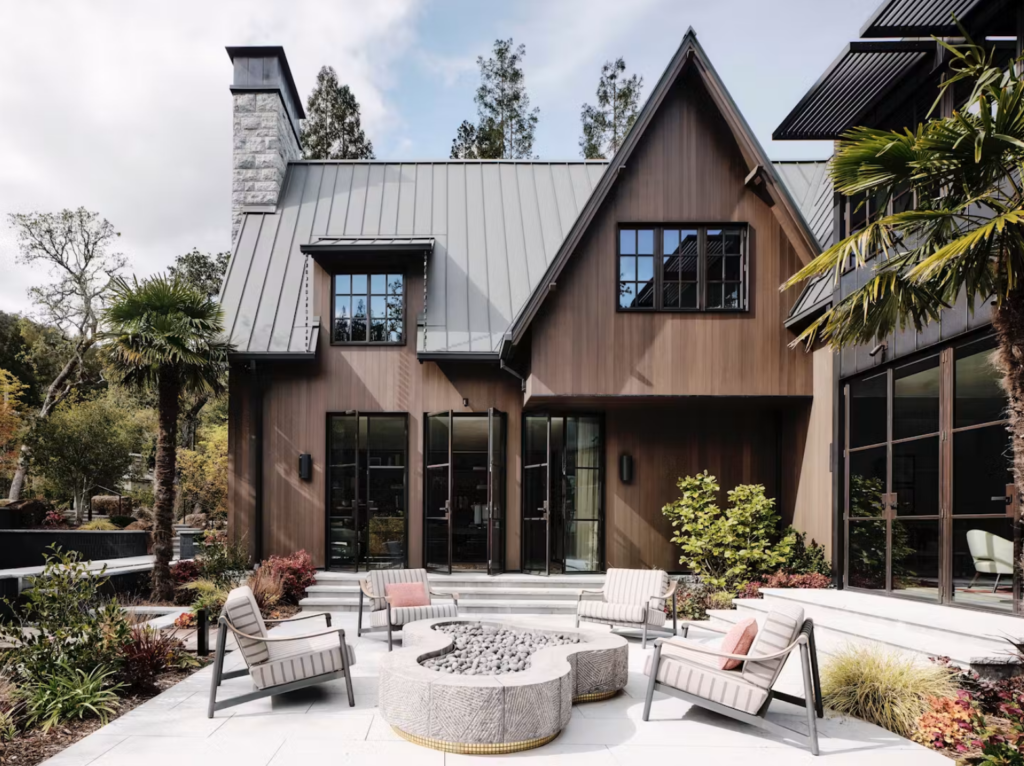
Spend time studying the work of Andrew Mann and another pattern begins to emerge. The architecture rarely asks you to admire individual rooms. Instead, it asks you to notice the relationships between them. The conversation between inside and outside. The alignment between structure and landscape. The transition from one space to the next. The way a window completes a room rather than simply illuminating it.
The architecture doesn’t depend on remarkable objects. It depends on remarkable relationships. That distinction changes how a house is understood.

Individual rooms can be beautiful.
Architecture begins when they begin to depend on one another.
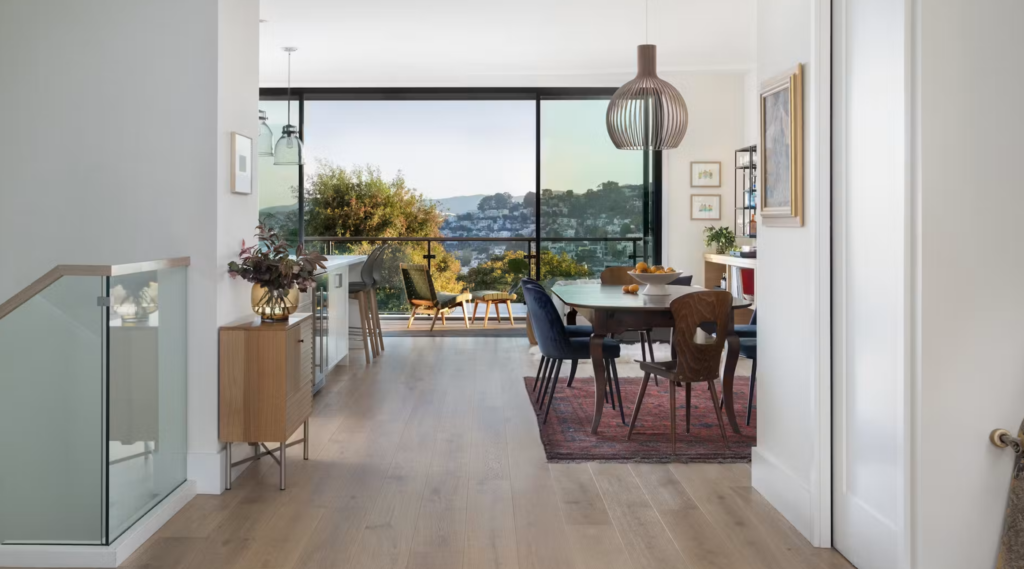
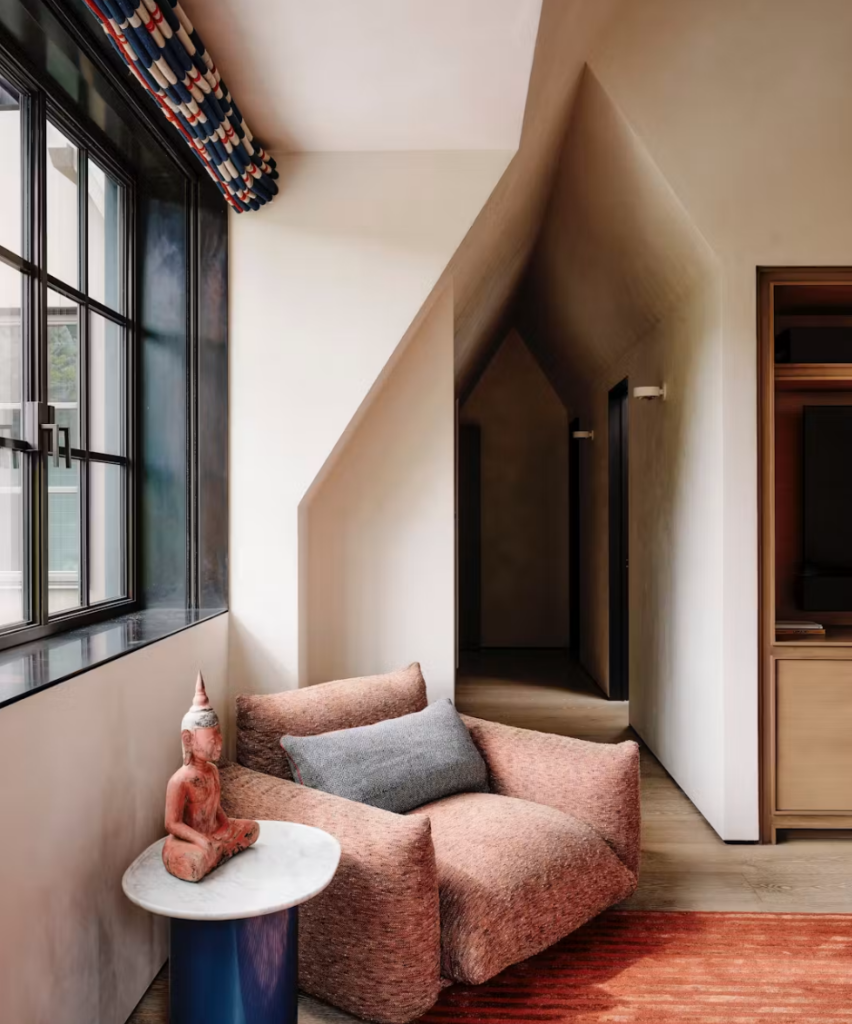
Throughout Andrew Mann’s portfolio, spaces rarely exist in isolation. A hallway becomes meaningful because of where it leads. A dining room borrows its character from the landscape beyond it. A covered terrace extends the living room without asking permission. Even moments of privacy remain connected to the larger composition of the home.
The result is architecture that feels cohesive rather than assembled.
Every space gains meaning through its relationship to another.
Openings Don’t Separate Spaces. They Connect Them.
In Andrew Mann’s work, glazing functions are better understood by what they connect.
A carefully framed opening establishes a conversation between a room and an oak tree that may have stood there for generations. A sliding wall dissolves the boundary between a terrace and a living room. Clerestory glazing allows changing daylight to become part of everyday life without demanding attention.
The opening itself isn’t the point. The relationship it creates is.
Architecture becomes richer when boundaries become opportunities instead of divisions.

Structure Creates Order Beyond Engineering
Builders understand structure as necessity. Andrew Mann reveals another role. Structure becomes the quiet framework that organizes experience.
Columns establish rhythm before furniture ever arrives. Roof planes create hierarchy. Timber grids guide proportion. Even the spacing between structural elements influences how comfortably a room is understood. The engineering supports the building. The order supports the architecture. That distinction is easy to overlook. It is also one of the reasons these homes feel so composed.
Materials Complete the Conversation
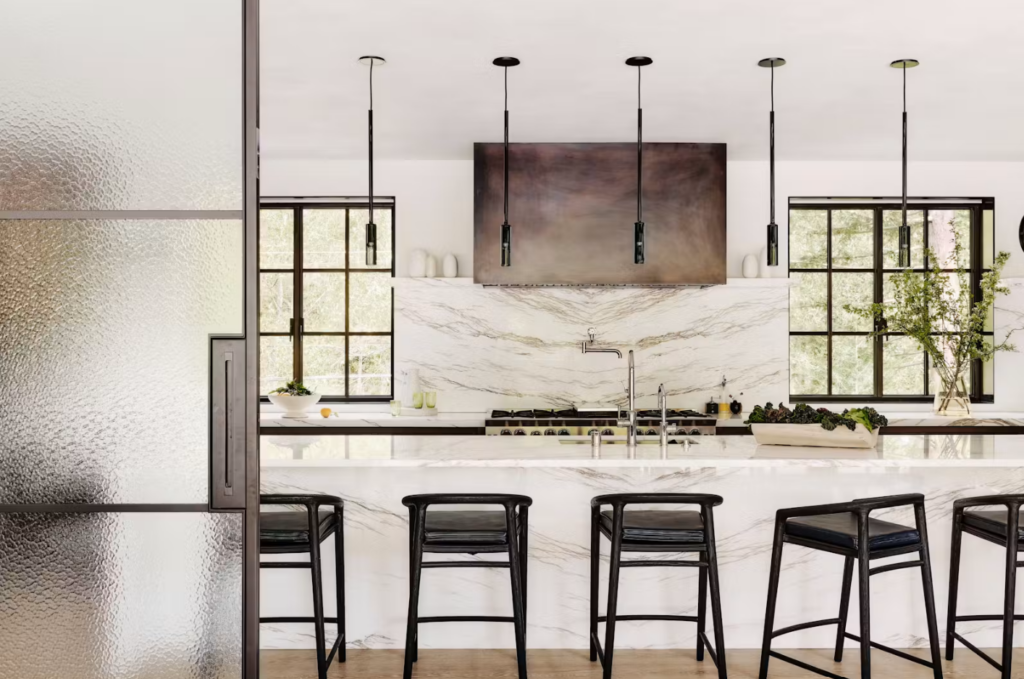
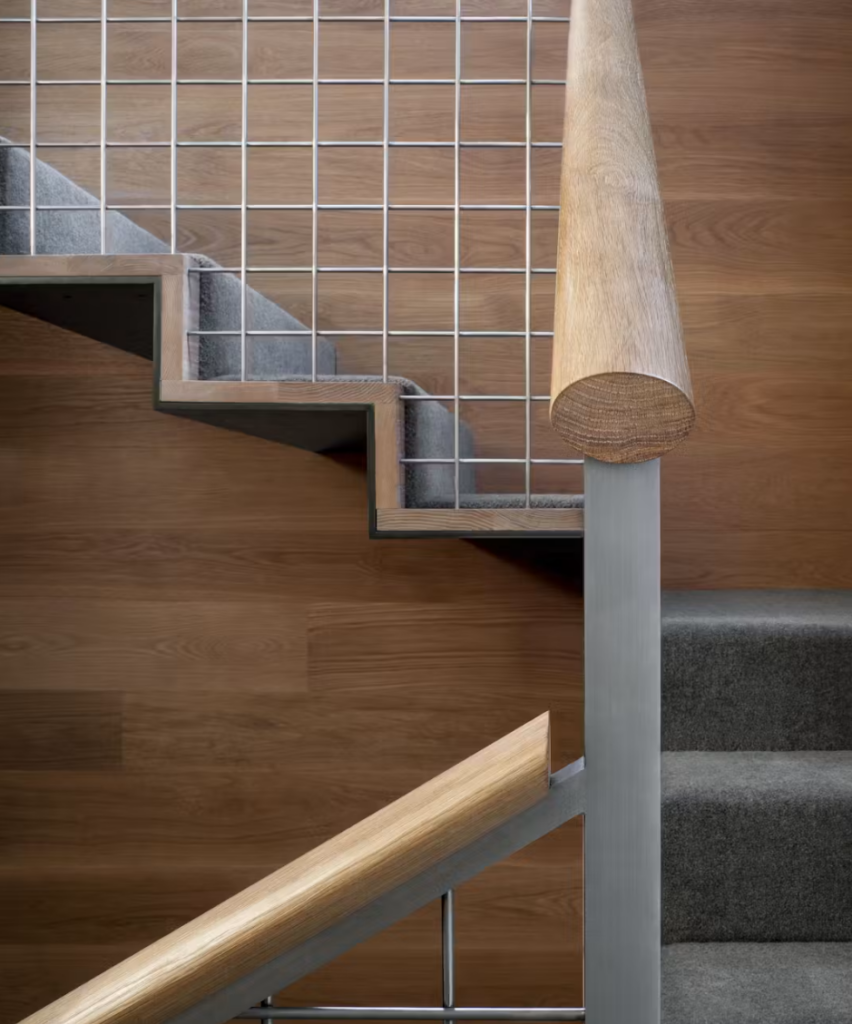
Materials rarely stand alone. Stone gathers light differently than plaster. Wood softens the transition between architecture and landscape. Steel creates precision where timber provides warmth. None of these materials compete for attention because each is responding to another.
Andrew Mann’s palette demonstrates remarkable confidence in that dialogue. Richness isn’t created through abundance. It’s created through relationships.
One material allowing another to become more expressive.

Builders Protect Relationships
Builders often speak about installing windows. Setting steel. Framing walls. Laying stone. Yet the work these projects ask of us is more demanding.
We are not simply constructing components. We are protecting relationships. The relationship between a window and the landscape it was meant to frame. Between a ceiling and the proportion it establishes. Between a threshold and the experience of crossing it. Between structure and the quiet order it creates. Those relationships exist long before construction begins.
Our responsibility is to ensure they survive construction unchanged. That may be one of the builder’s most important contributions to architecture.
WHY THIS MATTERS
It is easy to admire individual moments within a home. A beautifully detailed stair. A perfectly framed window. An exceptional material palette. Andrew Mann’s work reminds us that architecture asks a different question. Not whether each element is successful on its own.
Whether each element makes every other element stronger. That is a more demanding standard. It asks architects to think beyond objects. It asks builders to construct beyond assemblies. And it reminds all of us that the homes we remember most are rarely collections of remarkable rooms.
They are remarkable because every relationship has been thoughtfully considered.
A Question Worth Asking
The next time you walk through a thoughtfully designed home, resist the temptation to evaluate each room on its own. Instead, ask yourself: Which relationships would disappear if one element were changed?
The answer often reveals where the architecture truly lives.
About Design Conversations
Design Conversations is an ongoing editorial series within The Homestead Journal exploring the enduring ideas shaping residential architecture. Each issue studies the work of a leading architect, designer, or craftsperson—not to document projects, but to better understand the principles that influence how exceptional homes are conceived, experienced, and ultimately built.