
BUILDER MYTHS · NO. 11
One of the most common misconceptions in residential construction is that every decision deserves the same amount of attention.
It doesn’t.
Some decisions determine the direction of an entire project.
Others simply complete what has already been decided.
A homeowner may spend an afternoon choosing a faucet. An architect and builder may spend weeks refining a window package.
That isn’t because one matters and the other doesn’t.
It’s because they don’t carry the same weight.
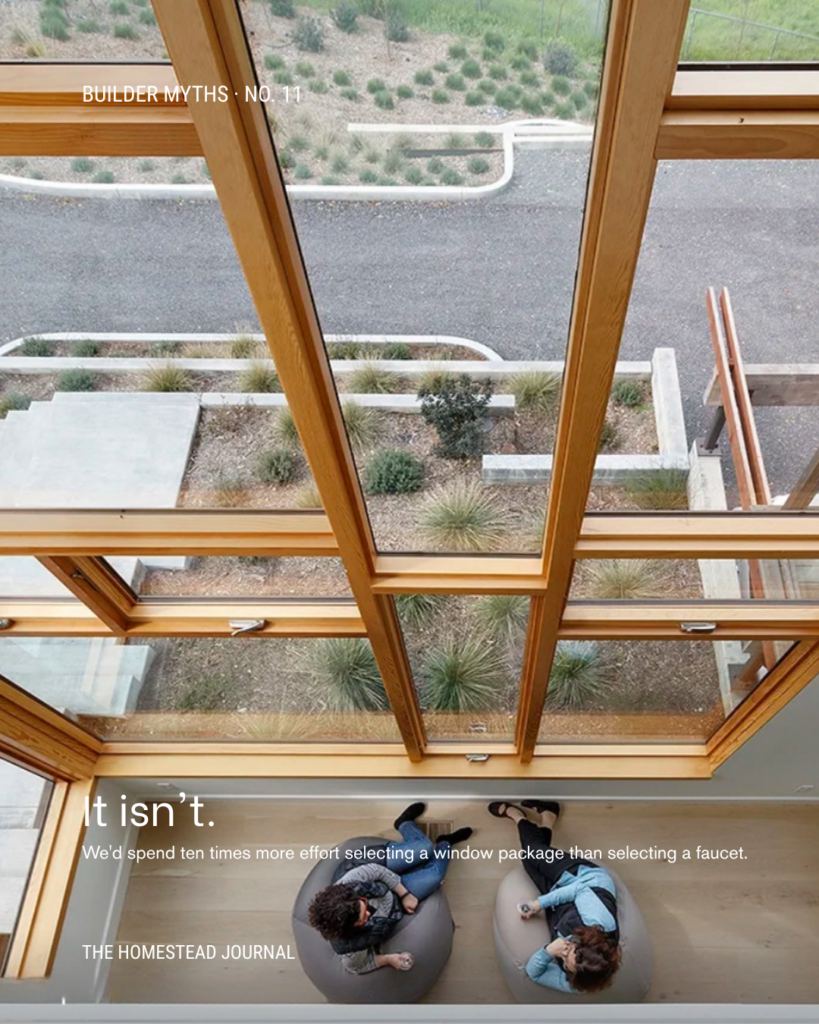
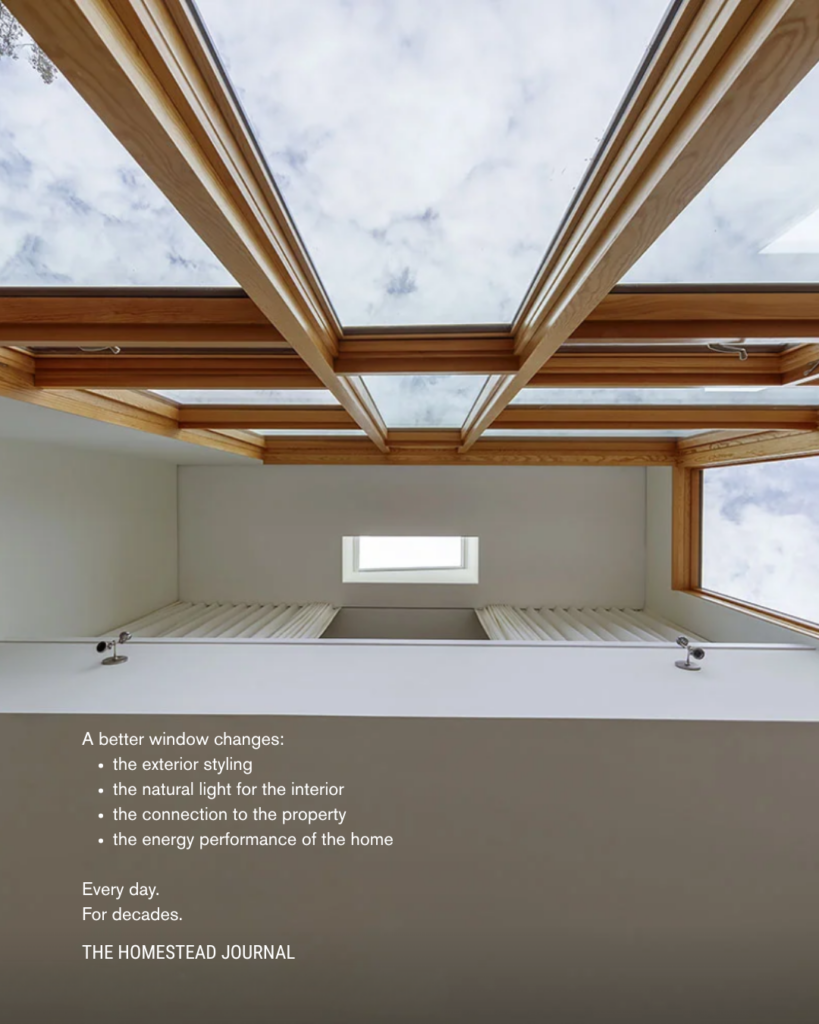
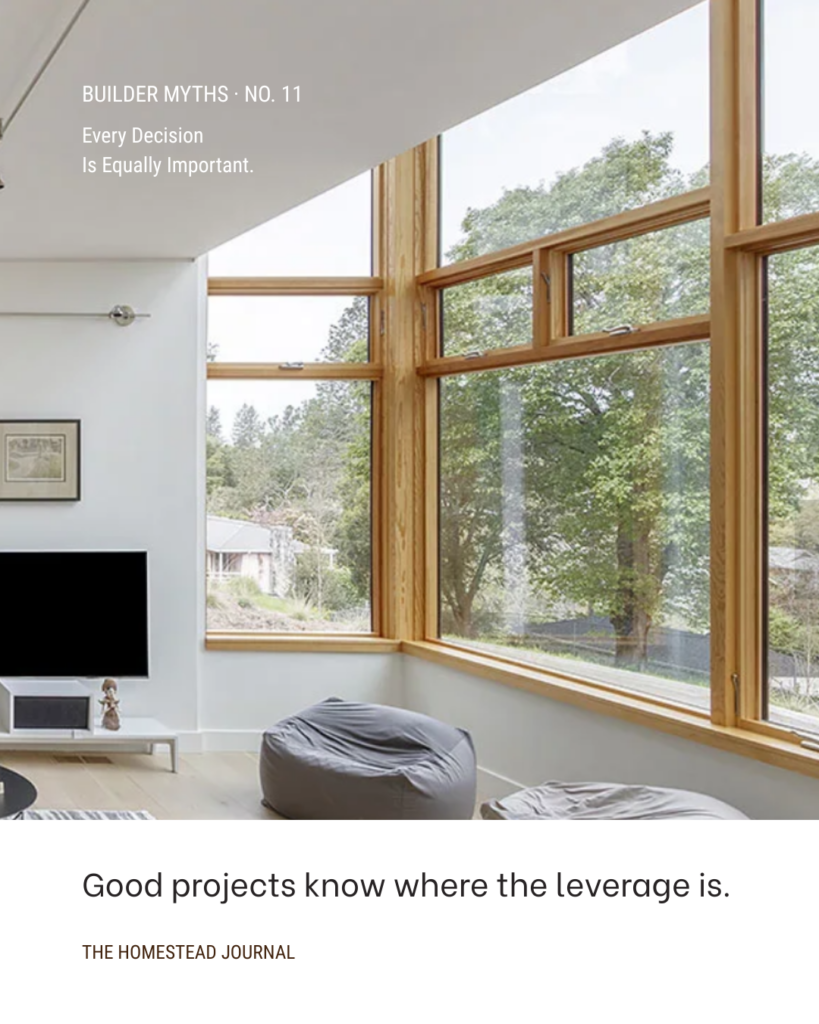
A window influences the architecture, the quality of daylight, the relationship between the interior and the landscape, the home’s energy performance, and often the experience of living there every single day.
A faucet matters.
A window changes the house.
The same is true throughout a project.
Moving a wall affects structure, engineering, cabinetry, mechanical systems, and cost.
Changing a paint color rarely does.
Successful projects recognize this difference early.
The best architects don’t simply design beautiful homes.
The best builders don’t simply execute them well.
Together, they help clients understand where thoughtful discussion creates lasting value, and where a timely decision keeps the project moving without compromising quality.
Good projects aren’t built by treating every decision equally.
They’re built by recognizing where the leverage is, giving those decisions the attention they deserve, and allowing the smaller ones to follow.
PROJECT CREDITS
Architect: Amy Alper / Landscape Architect: Merge Studio / Interior Designer: Rochelle Silberman Designs
What This Means for Homeowners
Every project includes hundreds, sometimes thousands, of decisions. Trying to give each one the same amount of attention can quickly become overwhelming.
Instead, ask your architect and builder to help identify the decisions that have the greatest influence on the project.
Typically, those include:
- Overall layout and room relationships
- Window size, placement, and performance
- Structural changes
- Mechanical system locations
- Cabinet layouts and built-in storage
- Material selections that affect detailing and long-term durability
These decisions often shape everything that follows.
Once those foundations are in place, many finish selections become easier because they support a direction that’s already been established.
That doesn’t mean details like hardware, paint colors, or decorative lighting aren’t important. They absolutely contribute to the character of a home. But they rarely have the same impact on cost, schedule, or the experience of living in the space as the decisions made earlier in the design process.
One of the most valuable questions a homeowner can ask throughout a project is:
“Is this a decision that changes the project or one that completes it?”
Knowing the difference helps you spend your time where it creates the greatest value.
CONTINUE THE CONVERSATION
Continue exploring What Great Builders Do Differently
Continue exploring Evidence of Standards
Continue exploring Dissect the Specs