
DESIGN CONVERSATIONS • NO. 03
Studying the work of Tom Kundig, FAIA
Some buildings are designed to be observed. Others are designed to be experienced. Spending time with the work of Tom Kundig reveals a third category: buildings that invite participation.
Again and again, his projects resist being experienced as static objects. They ask something of the people who inhabit them. A wall pivots. A window lifts. A stair draws you downward. A path narrows before opening to an unexpected view. Even the weight of a steel handle becomes part of the architecture.
The building isn’t complete until someone engages with it. That is a lesson worth studying.
MOVEMENT
Architecture is experienced through movement.
Most conversations about architecture focus on appearance. What does the house look like? Kundig’s work quietly asks a different question. How does the house move?
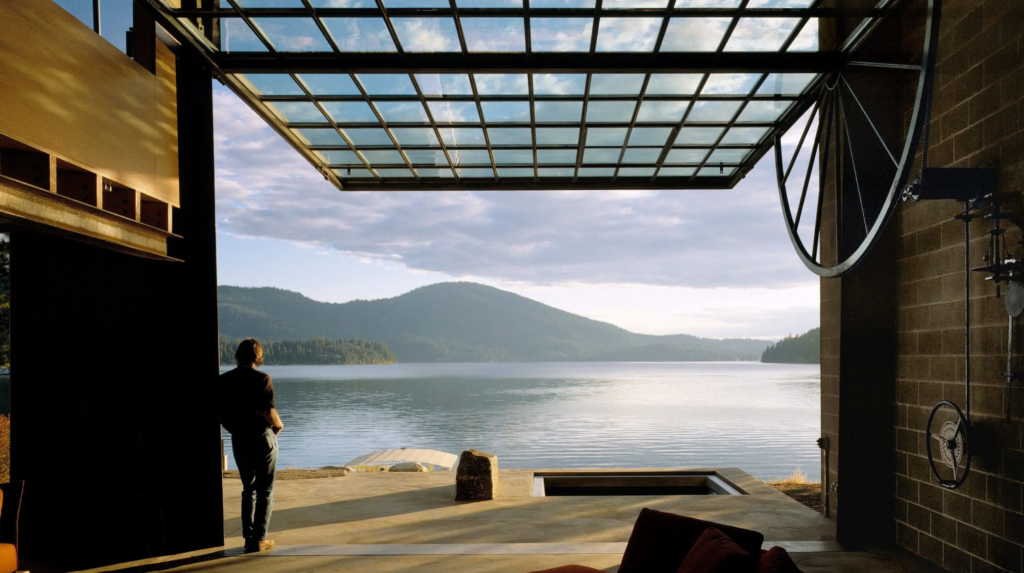
Sometimes the movement belongs to the building itself. A massive wall rotates. An oversized window disappears. Mechanical systems become visible rather than concealed.
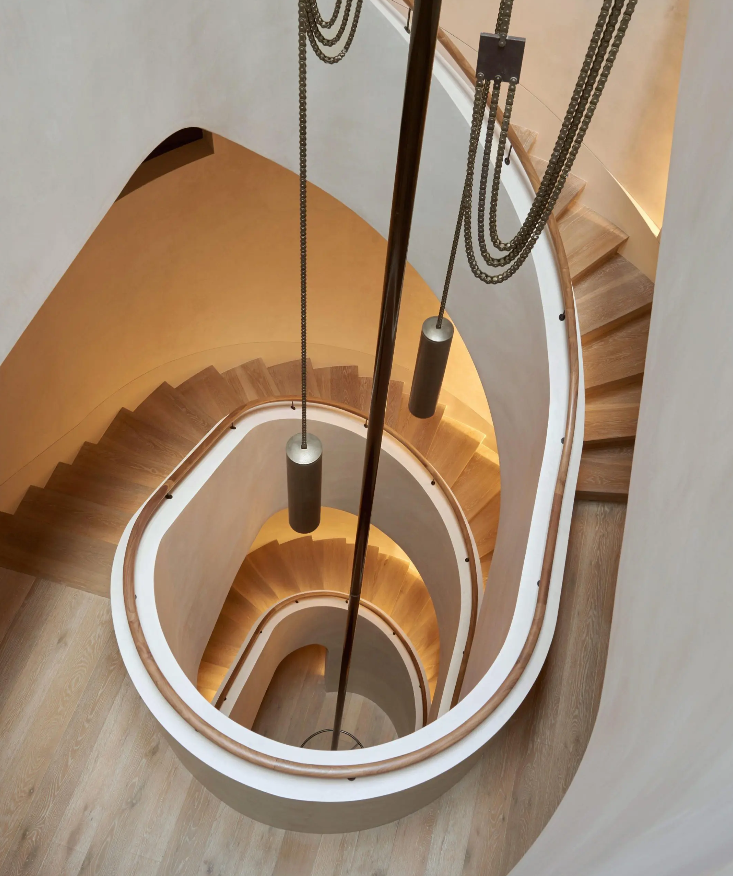
Other times the movement belongs to the occupant. A sequence of compressed and expanded spaces slows your pace. A stair reveals the next room gradually rather than immediately. The approach to the front door becomes part of the experience instead of simply leading to it.
Movement isn’t added after the design is complete. It is one of the primary design materials.
INTERACTION
Details should reward touch.
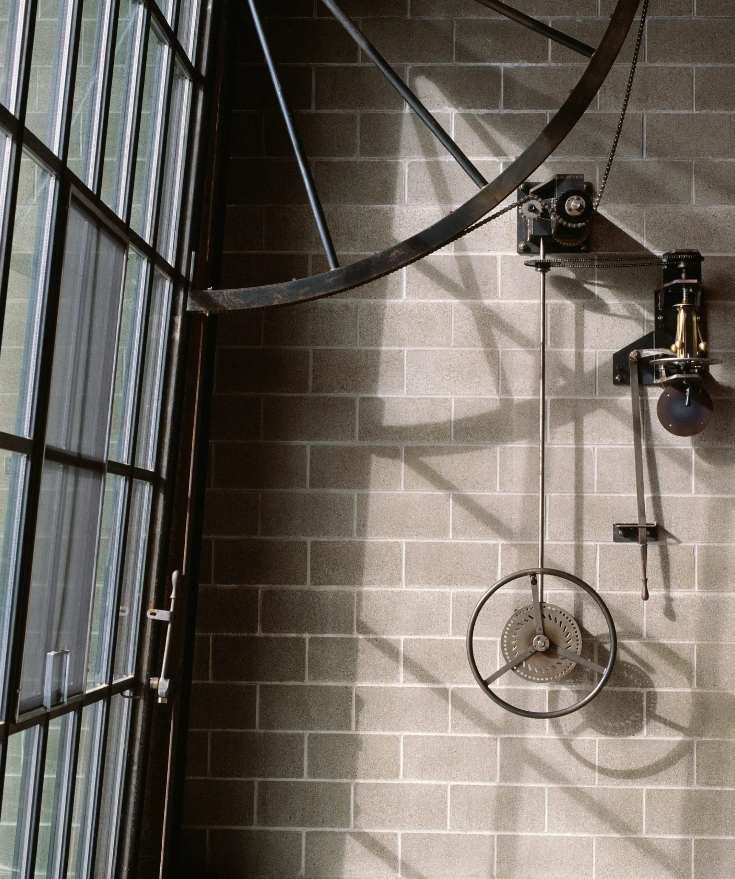
Many projects contain beautiful details. Far fewer contain details that become more meaningful the moment they’re used. One of the recurring qualities in Kundig’s work is that craftsmanship rarely exists for its own sake. A welded steel handle isn’t simply sculptural. It communicates weight. A crank isn’t nostalgic. It gives the occupant agency. A weathered steel plate doesn’t hide its age. It records time. The detail isn’t asking to be admired. It’s asking to be touched. That changes the relationship between the building and the person using it.
MECHANICS
Engineering becomes architecture.
Most buildings hide the way they work. Structure disappears behind drywall. Hardware disappears inside the wall. The mechanics become something to conceal. Kundig often takes the opposite approach. Counterweights remain visible. Steel connections are expressed. Large moving elements celebrate the engineering required to make them possible. The result isn’t industrial for the sake of appearance. It’s honest. The engineering isn’t competing with the architecture. It is the architecture.
MATERIAL
Nothing feels arbitrary.
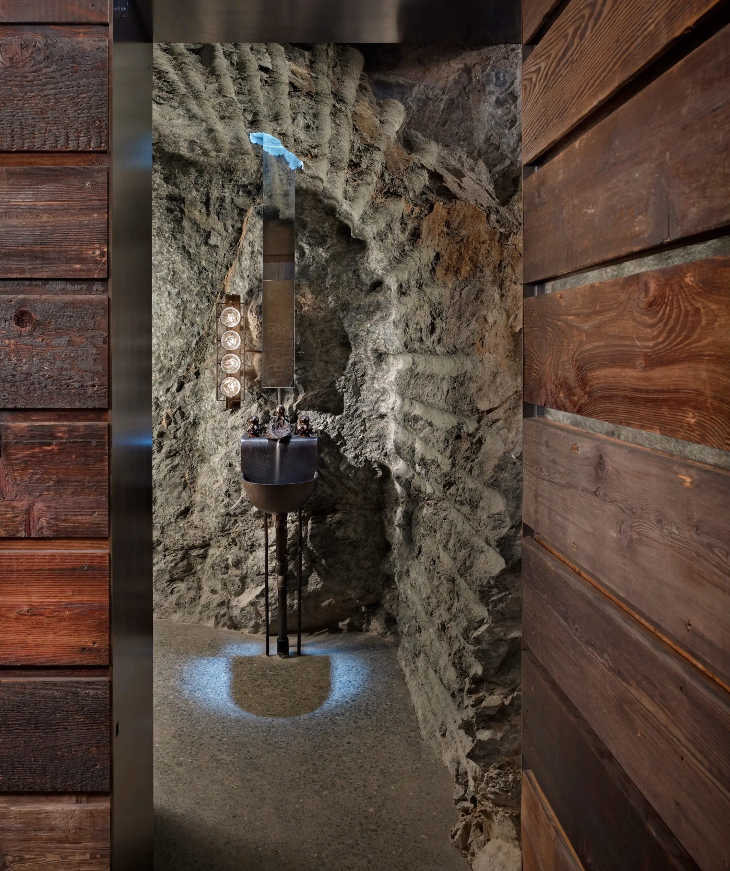
Builders notice something else. Nothing feels arbitrary. Steel has been fabricated, not merely specified. Concrete remembers how it was formed. Wood carries evidence of the hands that shaped it. Stone remains unapologetically stone. The work doesn’t chase perfection through uniformity. It celebrates precision through craft. That distinction matters. One hides the maker. The other reveals them.
DISCOVERY
Not everything should be visible at once.
Some buildings explain themselves immediately. Kundig’s work rarely does.
The approach, the entry, the stair, the change in light, the framed view; they arrive in sequence rather than all at once. Every decision seems to understand that anticipation is part of the experience.
The building asks you to keep moving. Not because you’re searching for the architecture. Because the architecture has been composed to reveal itself over time.
WHY THIS MATTERS
Every lasting building depends on disciplined execution.
Water management, structural assemblies, sequencing, tolerances, and craftsmanship are not secondary concerns, they are the foundation upon which everything else rests. A building that fails technically can never succeed architecturally. But once that foundation is secure, another responsibility begins.
The builder is no longer protecting only the performance of the home. They are protecting the moments the design depends upon; the weight of an operable wall, the precision of a stair, the quiet reveal of a view, the feel of a handrail shaped to be touched. Those experiences don’t happen by accident. They survive because every trade understands their importance and executes them with the same discipline applied to the building envelope, the structure, and every concealed assembly.
Architecture is imagined through design. It becomes memorable through construction.
Next Time You’re Walking Through A House…
Pay attention to what the building asks you to do. Where it asks you to pause. Where it asks you to turn. Where it asks you to look.
Architecture is experienced one decision at a time.
ABOUT DESIGN CONVERSATIONS
Design Conversations is an ongoing editorial series within The Homestead Journal exploring the enduring ideas shaping residential architecture. Each issue studies the work of a leading architect, designer, or craftsperson; not to document projects, but to better understand the principles that influence how exceptional homes are conceived, experienced, and ultimately built.