
MATERIAL INTELLIGENCE · NO. 19
Modern construction has become obsessed with permanence. Products promise they’ll never fade. Never stain. Never weather. Never require maintenance. The implication is clear: if a material changes, something has gone wrong.
But the buildings people admire most tell a different story.
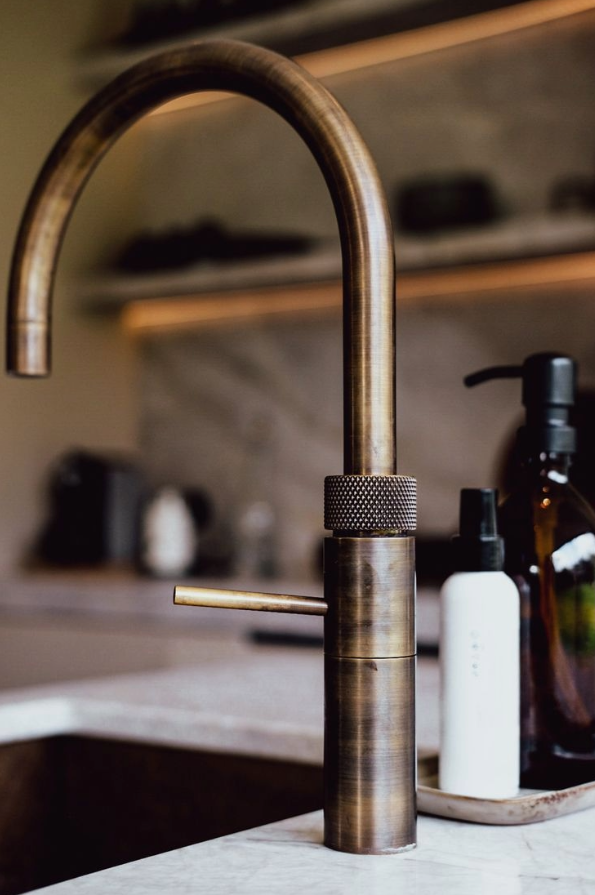
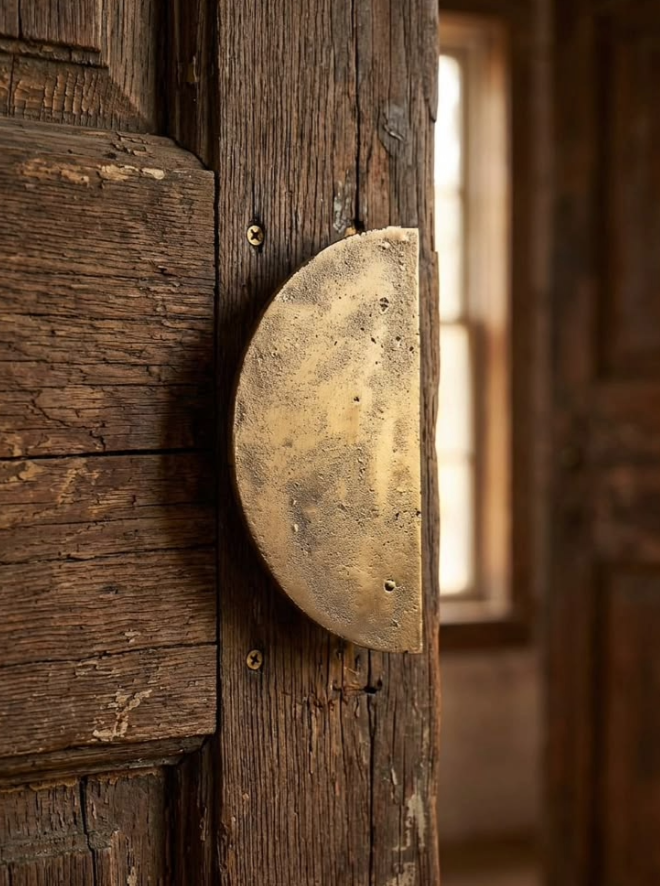
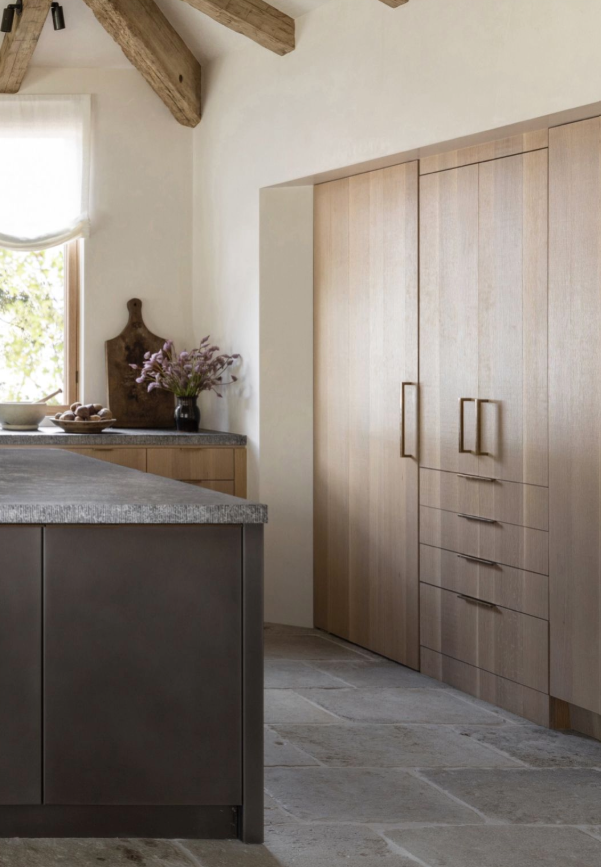
White oak deepens in color after years of sunlight. Brass slowly loses its shine and develops warmth where hands have touched it thousands of times. Natural stone softens at its edges, recording decades of footsteps instead of resisting them. Copper begins bright, then slowly turns rich brown before settling into the unmistakable green that architects have admired for centuries. These materials aren’t deteriorating. They’re participating in the life of the building.
There’s an important distinction between aging and wearing out. Aging adds character. Wearing out subtracts performance. The best materials are designed to do the first without suffering the second. That’s why truly timeless homes rarely look frozen in the year they were completed. They continue becoming themselves. This changes how we think about construction.
Instead of asking whether a material will look exactly the same in twenty years, we should ask a better question: Will it still be beautiful? Because beauty isn’t always found in preserving perfection. Sometimes it’s found in allowing a material to tell the truth about where it’s been.
Why This Matters
Choosing materials is really choosing a relationship with time.
Every finish carries an expectation. Some require constant effort to preserve an appearance they were never meant to keep. Others invite use, accepting sunlight, weather, and daily life as part of their design. When homeowners understand this distinction, they stop chasing materials that promise to look untouched forever.
Instead, they begin choosing materials that will continue rewarding them long after construction is complete. A well-designed home shouldn’t become less interesting as it ages.
It should become more personal.
A Question Worth Asking
When this house is twenty years old, will these materials tell a better story than they do today?