
WHAT GREAT BUILDERS DO DIFFERENTLY · No. 08
We can usually tell how a project was managed without meeting the builder.
Walk through an exceptional home after it’s finished. Most people notice the obvious things. The stone. The cabinetry. The lighting.
We notice something else.
We look for clues. Not clues about style. Clues about decisions.
Some clues are almost invisible. The drywall dies cleanly into a steel window. The grout joints align through a doorway. A recessed base continues uninterrupted around a corner. The mechanical registers disappear into the ceiling rhythm.
None of those things happened by accident. Someone protected them.
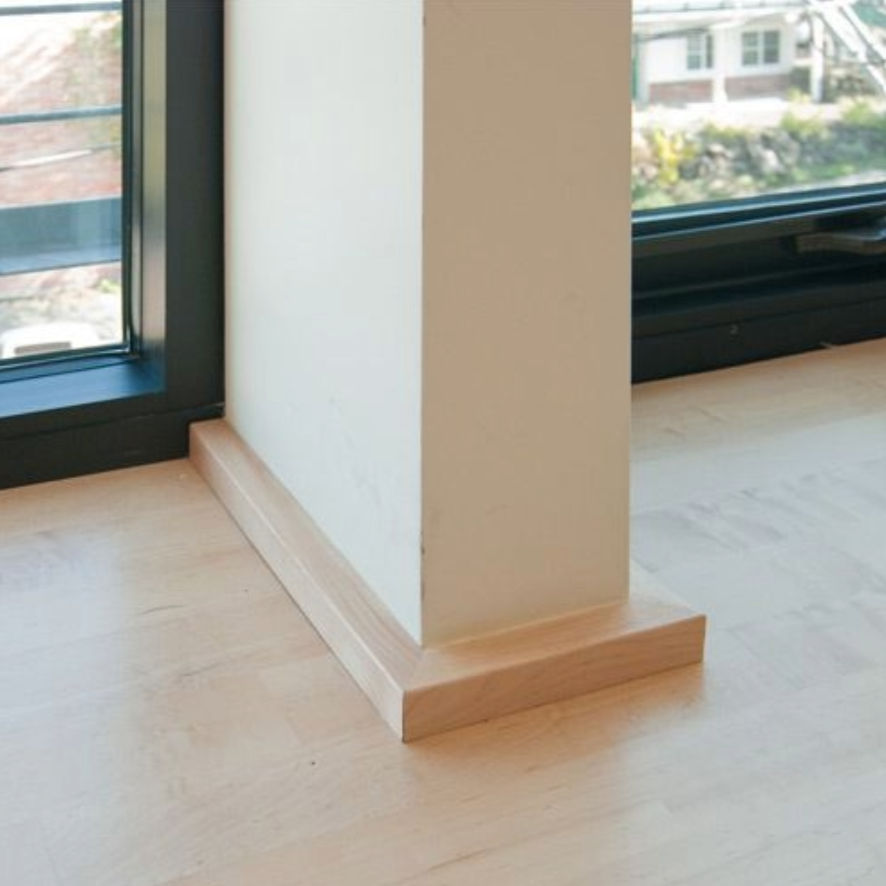
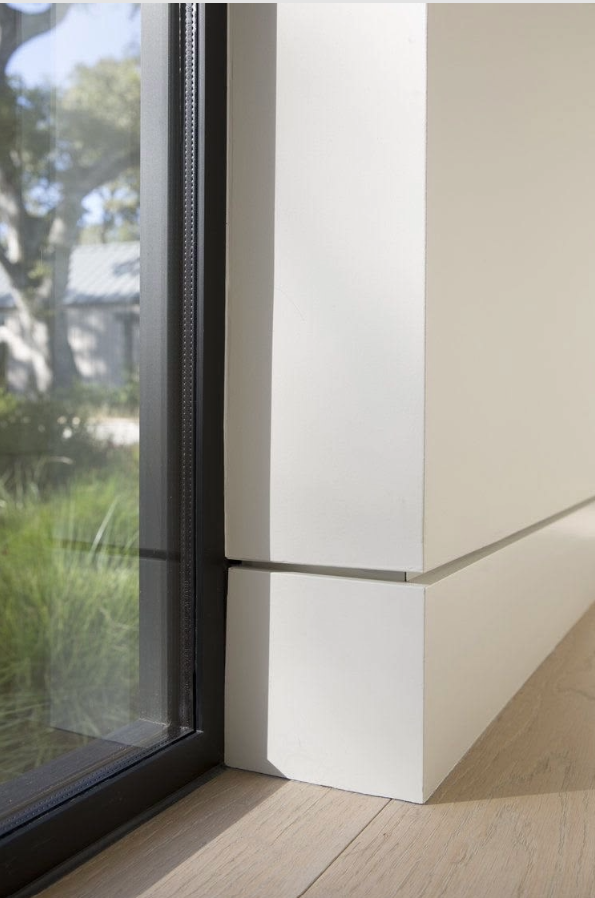
We’ve learned that buildings rarely hide the way they were managed.
Every project carries evidence of the conversations that happened long before construction began. Or the conversations that never happened at all. A perfectly aligned cabinet reveal tells us someone coordinated dimensions before fabrication. A continuous flooring pattern tells us someone planned material layout before installation. A ceiling that remains uninterrupted through multiple rooms usually tells us mechanical systems were resolved early, not adjusted in the field.
Finished buildings reveal the decisions people forget.
This is one reason we rarely judge projects by a single detail. One beautiful room doesn’t tell us much. Patterns do. If one window aligns perfectly, that’s encouraging. If every window aligns perfectly, even where no one would notice, that begins to tell a different story. Consistency is difficult to fake.

We’ve found that craftsmanship often gets the credit for things that actually belong to planning. Beautiful execution matters. But execution can only protect decisions that have already been made. A finish carpenter can’t align cabinetry with windows if no one established the relationship months earlier. A tile installer can’t preserve a layout that was never coordinated.
Trades reveal the quality of the planning they inherit.
This changes the way we walk through a project. We’re not asking, “Is this beautiful?” We’re asking, “What had to happen for this to be possible?” That question leads us backward. From the finished detail… to the installation… To the shop drawings… To the coordination meeting…To the drawings…To the very first decision.
Buildings have remarkable memories if you know how to read them.
What This Means for Homeowners
When touring a builder’s completed projects, don’t only look for impressive spaces. Look for repetition. Does the quality remain consistent from room to room? Do transitions feel intentional? Do details remain disciplined in places guests may never notice?
Ask the builder:
“What’s one detail in this house that you are proud of that most people walk past?”
The answer can tell you far more than a portfolio ever could. Experienced builders rarely point to the obvious centerpiece. They often point to the quiet decision that made everything else possible.
Because the strongest evidence of good building is rarely the loudest. It’s the clues that we left behind.
CONTINUE THE CONVERSATION
Continue exploring What Great Builders Do Differently
Continue exploring Evidence of Standards
Continue exploring Dissect the Specs